
A Best Practices Guide for Fieldwork in Inclement Weather
- Feb 9
- 4 min read
Outdoor Jobsite Safety When Working in Cold, Wet, and Windy Conditions
Pipeline construction and utilities maintenance work presents unique challenges, particularly when it comes to the diverse weather and environmental conditions workers encounter across job sites nationwide. Team members may travel far from home and face temperatures they are not acclimated to.
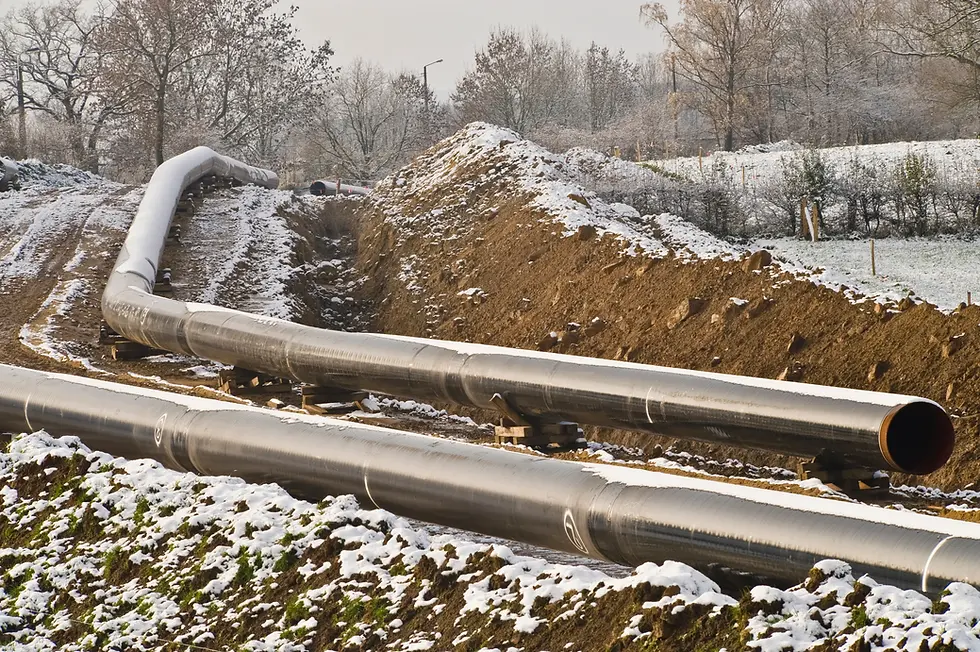
While freezing temperatures are more typically thought of with regard to negative health outcomes, temperatures below 60 degrees Fahrenheit can present cold and wet weather dangers to workers laboring outdoors. These conditions occur throughout the country during different times of the year and are not limited to the winter season.
It is essential that workers are aware and prepared with the following mitigation and response strategies in order to maintain health and productivity during challenging weather.
Travel During Cold Temperatures & Inclement Conditions
Cold weather danger begins long before arriving to a jobsite.
Before initiating travel, inspect your vehicle and ensure that maintenance has been performed, with particular attention paid to the following:
Battery holds a full charge and connections are clean.
Exhaust system has no leaks.
Tires rated for winter installed, have proper tread depth and inflation, and show no signs of damage.
All defrosters, external lights, and windshield wipers are functional.
Antifreeze is at appropriate levels.
Supplement your vehicle's emergency kit to mitigate against cold weather and slippery road conditions:
Ice scraper & snow brush
Shovel
Traction aids: cat litter or sand
Flashlight with extra batteries
Emergency flares
Blankets
Change of clothes - including inner and outer layers should any become wet
High-energy snacks
Fuel levels should be full when you start your trip and maintained above half-full for the duration. This will prove essential should your vehicle become inoperable due to road conditions.
If you become stranded, stay in your vehicle, call for emergency assistance, and notify your work supervisor of the situation. Never exit your vehicle and attempt to seek shelter or assistance on foot unless that assistance is visible and within 100 yards of your location. Keep warm by running your vehicle with the heat on for 10 minutes each hour. Maintain your body's blood circulation by doing minor exercises such as rotating your arms and feet.
Risk Factors & Recognizing Cold Stress
Dehydration, tobacco use, and preexisting health conditions such as diabetes, hypertension, and hypothyroidism can predispose workers to cold stress. Cold weather increases strain on the cardiovascular system. Types of illnesses caused by cold stress include hypothermia, immersion or trench foot, frostbite, and chilblains.
Hypothermia is a condition that occurs when body temperature drops below 95 degrees Fahrenheit. It presents with uncontrolled shivering, disorientation, slow heart rate or respiration, slurred speech, fatigue, and skin that is pale and cold to the touch. Due to the drop in body temperature affecting mental functioning, all team members should monitor each other for signs as the individuals who are affected may not be aware of what is occurring or be able to help themselves.
Immersion or Trench Foot is caused by prolonged exposure of the skin to a cold and wet environment. This exposure can happen due to wet ground conditions or the buildup of sweat inside boots. Signs include swelling, numbness, reddening of the skin, blistering, pain, and gangrene. To prevent Trench Foot, it is essential to change socks and boots immediately should they become wet. Feet should be allowed to dry completely before returning to work.
Frostbite refers to the freezing of bodily tissues. It is caused by skin exposure to cold temperatures and wind. Early signs of frostbite include tingling or loss of feeling in affected areas or the formation of blisters. If frostbite occurs, the affected areas should be protected from all contact until medical professionals are able to treat and rewarm them.
Chilblains is a condition caused by the exposure of skin to temperatures around freezing all the way up to 60 degrees Fahrenheit. It is characterized by pain arising from the inflammation of small blood vessels in the skin. Other signs include itching, blistering, and ulceration. Areas affected should be protected from any contact and allowed to slowly rewarm.
Should a team member exhibit any of the above signs or symptoms, they should cease work immediately, be moved to a warm and dry and environment, and seek medical assistance.
Pipeline and utility jobsite hazards that increase the risk of cold stress include exposure to dangerous wind chill and skin contact with cold metals and liquids or fuels that evaporate.
Mitigation techniques can include:
Shielding work areas from the wind.
Providing frequent breaks with access to warm and dry shelter areas.
Rotating work time and gradually increasing the outdoor workload to allow personnel to acclimate to weather conditions.
Providing access to warm drinks.
Ensuring that workers are wearing appropriate clothing and PPE.
PPE & Dressing for Cold Weather
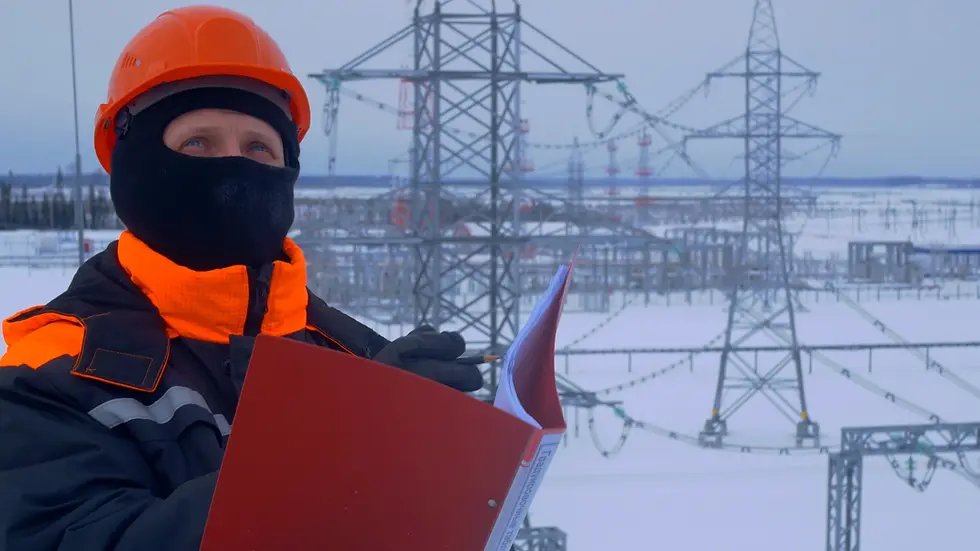
It is essential that workers on outdoor jobsites dress in layers and limit skin exposure to the elements. Clothing should include 3 main layers:
Innermost should consist of materials that wick moisture such as polypropylene, silk, or wool.
Middle insulation layer.
Outerwear that meets PPE requirements and offers skin protection from wind and moisture, along with adequate ventilation to prevent the buildup of sweat in the underlayers.
All layers should fit comfortably and not be tight to prevent impaired blood flow.
Footwear, gloves, and headwear should be insulated and waterproof. PPE rated hard hat liners, balaclavas, and gloves are available and should not be substituted with regular winter wear.
Outer layers should be removed during breaks to allow for clothing layers to air out and for warm, dry air to reach the body's core. Any articles of clothing that become wet from outdoor conditions or sweat should be removed and replaced immediately. For this reason, each worker should bring extra clothing and underwear to the work site.
For more information about Job Safety during cold and wet weather, please see:
